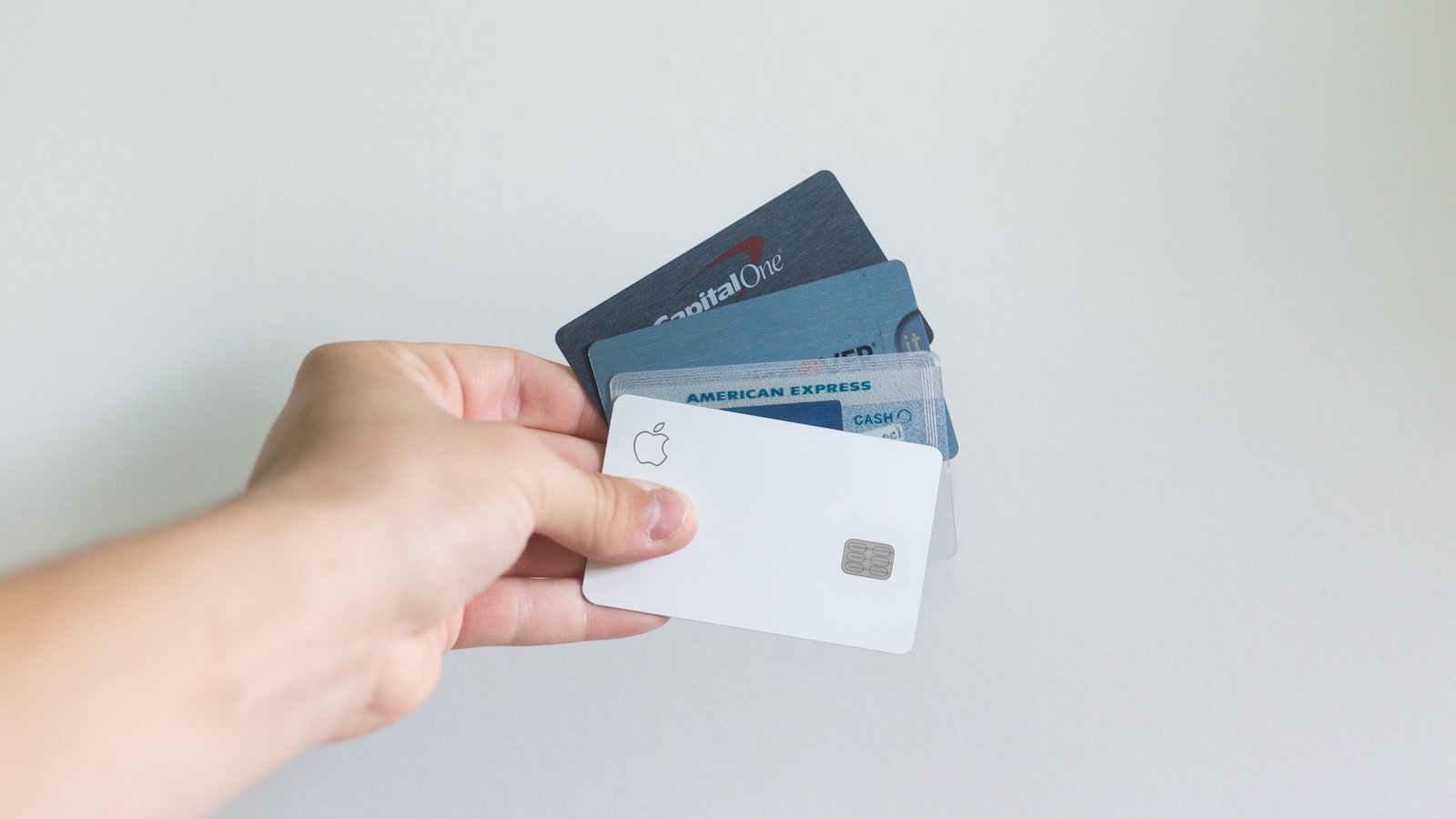
Choosing between a credit card and a personal loan depends on your borrowing needs, repayment timeline, credit score, and financial discipline. Credit cards offer revolving flexibility and rewards for everyday spending, while personal loans provide a lump sum with fixed payments and often lower interest rates for larger or longer-term needs.
In 2026, with average credit card APRs around 20.97%–25.32% (and higher for carried balances) versus average personal loan rates near 12.27% (as low as 6–8% for excellent credit), the right choice can save you hundreds or thousands in interest. This guide breaks down the differences, pros/cons, scenarios, and top options to help you decide.
Key Differences: Credit Cards vs. Personal Loans
- Credit Cards (Revolving Credit): Access a credit limit you can use repeatedly. Pay minimums or in full each month. Interest only on carried balances.
- Personal Loans (Installment Loans): Receive a one-time lump sum. Repay in fixed monthly payments over a set term (typically 2–7 years).
Average Rates in 2026:
- Credit cards: ~21–25% APR (much higher if carrying a balance).
- Personal loans: ~12.27% average (ranges from ~6.5% for excellent credit to 35.99% for lower credit).
Personal loans often win on cost for larger amounts or longer repayment periods due to lower fixed rates and amortization.
Pros and Cons Comparison
Credit Cards:
- Pros: Flexible spending; rewards (cash back, points, miles); 0% intro APR periods on purchases/balance transfers (up to 21 months); convenience; easier to qualify in some cases; build credit with responsible use.
- Cons: High ongoing APRs if you carry a balance; temptation to overspend; variable rates; potential annual fees, late fees, or foreign transaction fees; high utilization can hurt credit scores.
Personal Loans:
- Pros: Lower interest rates (especially for good credit); fixed predictable payments; lump sum for big expenses; clear end date; often better for debt consolidation; no revolving temptation.
- Cons: Origination fees (0–8%); hard credit inquiry for approval; no rewards; less flexibility once funded; prepayment penalties rare but possible.
When to Choose a Credit Card
- Small, everyday purchases or short-term needs you can pay off in 1–2 billing cycles.
- You qualify for a 0% intro APR balance transfer or purchase offer and can clear the balance before the promo ends.
- You want rewards on spending (e.g., cash back on groceries, gas, travel).
- You need ongoing access to credit without a new application each time.
- Good for emergencies or variable costs if you maintain low utilization (<30%).
Best use in 2026: Balance transfers from high-rate cards using cards like Wells Fargo Reflect® (up to 21 months 0% intro) or Citi Double Cash® (18 months).
When to Choose a Personal Loan
- Large, one-time expenses (home improvements, medical bills, weddings, debt consolidation).
- You want predictable budgeting with fixed payments and a set payoff date.
- Consolidating high-interest credit card debt to save on interest (potential savings of $1,000+ on $10,000 debt for strong-credit borrowers).
- You prefer structure to avoid minimum-payment traps on revolving debt.
- Need funds quickly as a lump sum (often same or next-day funding).
Best use in 2026: Debt consolidation or major purchases where you’ll take longer than 12–18 months to repay.
Scenario-Based Decision Guide
- Debt Consolidation: Personal loan usually better if your new rate is significantly lower than current card APRs. A strong-credit borrower could save ~$1,750 in interest on $10,000 by switching from ~20% card to ~13% loan.
- Home Improvement or Big Purchase: Personal loan for fixed costs and larger amounts; credit card if costs are uncertain and you have a 0% promo.
- Everyday Spending/Rewards: Credit card if paid in full monthly.
- Short-Term (Under 12 Months): Credit card with 0% intro often wins.
- Longer-Term or High Discipline Needed: Personal loan provides structure.
Quick Flowchart:
- Can you pay it off in 1–2 months? → Credit card.
- Need fixed payments and end date? → Personal loan.
- Want rewards + flexibility? → Credit card (if disciplined).
- Consolidating high-rate debt? → Personal loan (compare rates first).
Top Options in 2026
Best Credit Cards:
- Balance Transfer: Wells Fargo Reflect® (up to 21 months 0% intro), Citi Double Cash® (18 months + 2% cash back).
- Rewards: Chase Freedom Unlimited® (cash back + intro APR), Blue Cash Everyday® from American Express.
- Look for low annual fees and strong intro offers.
Best Personal Loans:
- LightStream: Low rates (as low as ~6.49% with autopay), no fees, fast funding — great for excellent credit.
- SoFi: Competitive rates, member benefits, no origination fees in many cases.
- Upgrade or LendingClub: Accessible for fair credit, flexible terms.
- Citi, Discover, or credit unions: Often lower rates for members.
Prequalify with soft checks on multiple lenders to compare without hurting your score.
Comparison Table: Credit Cards vs Personal Loans (2026 Averages)
| Factor | Credit Cards | Personal Loans |
|---|---|---|
| Best For | Everyday spending, short-term, rewards | Large purchases, consolidation, fixed terms |
| Interest Rate | 21–25%+ APR (avg) | 12.27% avg (6–36% range) |
| Repayment | Minimum or full; revolving | Fixed monthly over 2–7+ years |
| Access to Funds | Up to credit limit, reusable | One-time lump sum |
| Fees | Annual, late, balance transfer (3–5%) | Origination (0–8%), late fees |
| Rewards/Benefits | Cash back, points, 0% intro periods | None (focus on lower cost) |
| Credit Impact | High utilization hurts score | Single inquiry + on-time payments help |
| Savings Potential | High if paid in full or during 0% | Significant on large/long-term debt |
Rates approximate; actual offers depend on credit, lender, and terms.
Factors to Consider Before Choosing
- Your Credit Score: Excellent credit unlocks best personal loan rates; fair/poor may favor cards with promos.
- Repayment Ability: Can you pay in full monthly? Discipline matters more with cards.
- Total Cost: Always compare APR + fees + term. Use calculators to model interest.
- Credit Utilization & Score: Paying down cards with a loan can lower utilization and boost your score.
- Emergency Fund: Avoid new debt if possible; build savings first.
Pro Tip: Combine strategies — use a 0% balance transfer card for short-term relief, then consolidate remaining balances into a personal loan for long-term savings.
Final Thoughts
In 2026, personal loans generally beat credit cards for large amounts, debt consolidation, or longer repayment due to lower fixed rates and structure. Credit cards shine for flexible, reward-earning spending you can pay off quickly or during promotional 0% periods.
Next Step: Check your credit score, prequalify for personal loans (soft pull), and compare balance transfer card offers. Calculate total costs for your specific amount and timeline using free tools from Bankrate or NerdWallet. Borrow only what you can repay comfortably.
This article is for informational purposes only and is not financial advice. Rates, terms, and offers change frequently—verify directly with lenders. Loan or card approval is not guaranteed and depends on your credit profile, income, and other factors.