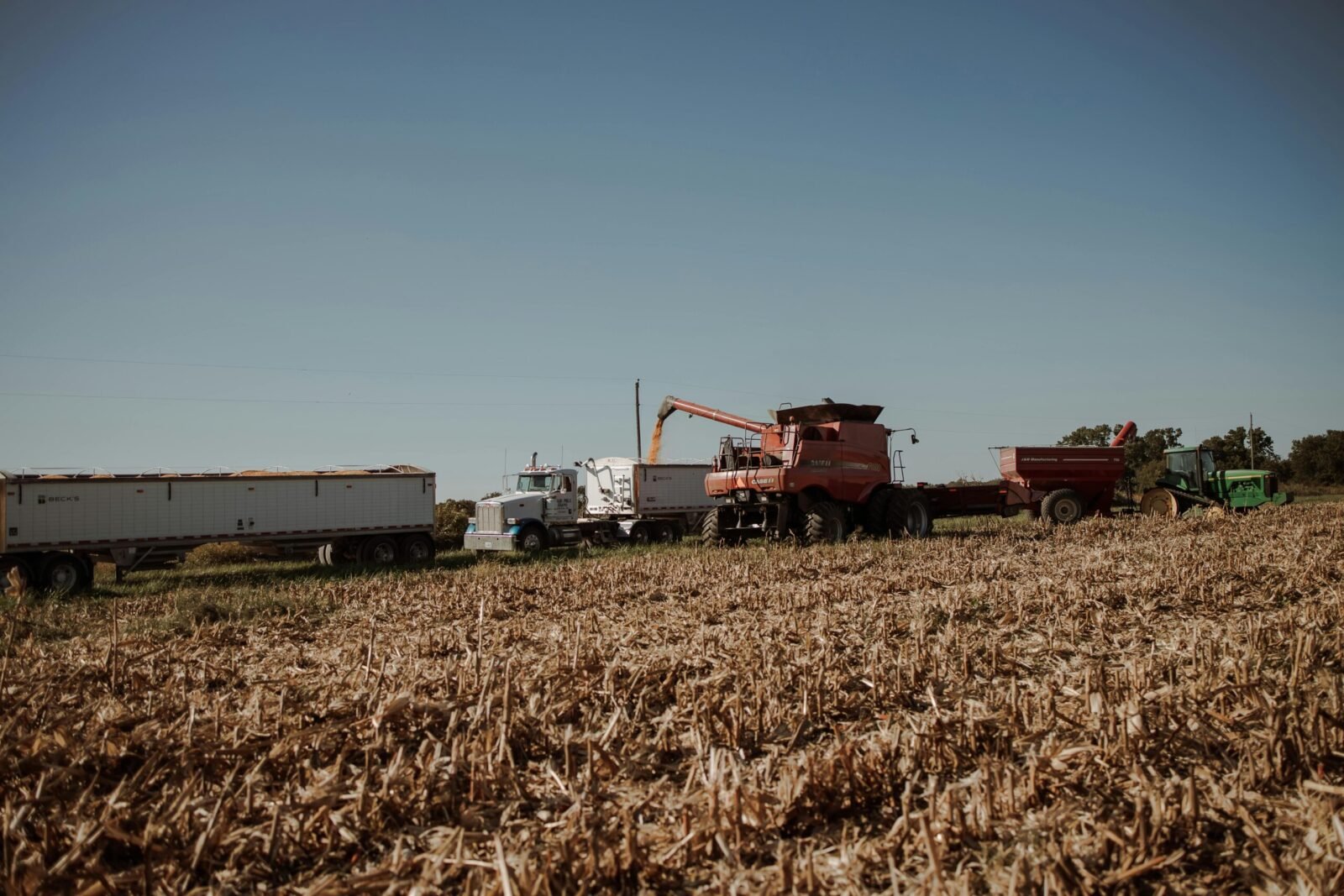
Agricultural loans help farmers and ranchers finance land purchases, equipment, operating expenses, livestock, and improvements while managing seasonal cash flows and volatility in commodity prices. In 2026, with ongoing economic pressures on farms, low-interest government-backed options from the USDA Farm Service Agency (FSA) remain among the most affordable, while the Farm Credit System and specialized private lenders provide flexible, larger-scale financing.
This guide covers the best agricultural loan options, their uses, rates (as of March 2026), eligibility, and how to choose the right one for your operation.
Types of Agricultural Loans Available
Farmers typically need one or more of these:
- Farm Operating Loans: Short-term financing for day-to-day costs like seed, feed, fuel, livestock, labor, insurance, and family living expenses during the growing season.
- Farm Ownership Loans: Long-term loans to purchase or expand farmland, construct/repair buildings, or make soil/water conservation improvements.
- Microloans: Smaller, streamlined versions of operating or ownership loans for beginning, small, or specialty crop farmers (e.g., hydroponics, niche operations).
- Farm Equipment Loans: Financing for tractors, combines, irrigation systems, and precision ag technology.
- Farm Storage Facility Loans: For building or upgrading grain bins and handling equipment.
- Emergency Loans: For recovery from natural disasters or economic losses.
- Beginning Farmer & Rancher Loans: Targeted programs with priority funding and relaxed requirements for new or young producers.
Many loans support sustainable practices, value-added agriculture, and beginning/underserved farmers.
Key Benefits of Agricultural Loans
- Low fixed rates from government programs (often well below commercial averages).
- Flexible repayment schedules aligned with crop cycles and harvest income.
- Loan guarantees reduce risk for lenders, improving access and terms.
- Targeted support for beginning, small, socially disadvantaged, and veteran farmers.
- Potential for conservation and energy efficiency components (e.g., via REAP grants/loans).
Potential Drawbacks
- USDA direct loans have strict eligibility (cannot obtain credit elsewhere) and paperwork requirements.
- Approval can take 4–8 weeks or longer.
- Higher rates on guaranteed or private loans for larger or riskier operations.
- Collateral often required (land, equipment, or crop insurance assignments).
- Tightening credit standards in 2026 due to farm profitability challenges.
Who Should Consider Agricultural Loans?
- Established family farms needing operating capital or expansion.
- Beginning/young farmers (often with priority funding).
- Specialty or small-scale operations (microloans).
- Producers facing equipment upgrades, land purchases, or disaster recovery.
- Operations in rural areas seeking sustainable or value-added investments.
Pro tip: Start with your local USDA FSA county office or a Farm Credit association for personalized guidance. Many lenders accept crop insurance and future cash flows as key underwriting factors.
Top Agricultural Loan Providers in 2026
1. USDA Farm Service Agency (FSA) Loans – Best Overall for Low Rates & Beginning Farmers
FSA provides direct loans (government lends directly) and guaranteed loans (FSA guarantees loans from commercial lenders). These are ideal when commercial credit is unavailable or too expensive.
- Farm Operating Loans (Direct): Up to $400,000; March 2026 rate: 4.750%.
- Farm Ownership Loans (Direct): Up to $600,000; rate: 5.875% (Joint Financing: 3.875%; Down Payment: 1.875%).
- Microloans: Up to $50,000 with simplified paperwork.
- Uses: Land, equipment, livestock, operating expenses, conservation, storage facilities.
- Standout features: Priority for beginning, veteran, and socially disadvantaged farmers; flexible terms; emergency options.
- Best for: New or smaller farms, low-cost capital.
Guaranteed loans allow larger amounts through approved commercial lenders at market-based rates.
2. Farm Credit System (e.g., Farm Credit America, AgAmerica, American AgCredit) – Best for Larger & Established Operations
A nationwide network of cooperative lending institutions serving agriculture exclusively. They offer competitive rates, personalized service, and specialized programs for young/beginning/small (YBS) farmers.
- Operating lines of credit, term loans for equipment/land, land equity loans.
- Rates typically tied to benchmarks (often 6–10% range depending on credit and term).
- Flexible repayment aligned with farm cycles; long-term fixed-rate options.
- Best for: Commercial-scale farms, land purchases, equipment financing, and relationship-based lending.
3. Commercial Banks & FSA-Guaranteed Partners – Good for Speed & Flexibility
Banks like Capital Bank or others participating in FSA guarantees combine FSA backing with faster processing. Rates are higher than direct FSA but often more competitive than unsecured options.
4. Specialized Equipment & Vendor Financing
- AgDirect: Fast equipment loans starting around 3.25%–9% with quick approvals.
- Manufacturer programs (e.g., John Deere, BASF Grower Finance): 0% or low-interest promotions on equipment, seeds, or crop protection products.
5. Other Notable Options
- Private/Alternative Lenders (e.g., Farm Plus Financial, Conterra, FarmOp Capital): Flexible terms based on production and crop insurance; higher rates but faster funding for those with strong cash-flow projections.
- Rural Energy for America Program (REAP): Loans/grants for renewable energy and energy efficiency on farms.
- State-specific or conservation loans: Often layered with federal programs.
Marketplaces & Aggregators: Some platforms help compare options, though direct contact with FSA or Farm Credit is usually best.
Comparison Table: Top Agricultural Loans (Approximate 2026)
| Lender/Program | Loan Type | Max Amount | Interest Rate (March 2026) | Terms | Best For |
|---|---|---|---|---|---|
| USDA FSA Direct | Operating | $400,000 | 4.750% | 1–7 years | Operating expenses, beginners |
| USDA FSA Direct | Ownership | $600,000 | 5.875% (lower for some) | Up to 40 years | Land purchase, improvements |
| USDA FSA Microloans | Operating/Ownership | $50,000 | Same as above | Flexible | Small/specialty farms |
| Farm Credit System | Operating/Land/Equipment | Varies (high) | Competitive (6–10%+) | Seasonal to long-term | Established & expanding farms |
| AgDirect / Vendor | Equipment | Equipment value | 3.25%–9%+ | 2–7 years | Tractors, irrigation, fast funding |
| FSA Guaranteed | Operating/Ownership | Higher limits | Lender-set (market) | Varies | Larger loans via banks |
Rates and terms vary by credit, collateral, location, and lender. FSA direct rates are fixed monthly; guaranteed rates depend on the commercial lender. Always verify current offers.
Step-by-Step: How to Apply for an Agricultural Loan
- Assess your needs — Determine purpose (operating, land, equipment) and gather financials (balance sheet, cash flow projection, tax returns, farm plan).
- Check eligibility — For FSA: U.S. citizen/resident, family-size farm, cannot get credit elsewhere, credit history, etc. Beginning farmers get priority.
- Contact local offices — Visit your USDA FSA county office (farmers.gov) or nearest Farm Credit association.
- Prequalify or submit application — Provide collateral details, crop insurance info, and business plan.
- Review terms — Compare total cost, repayment schedule, and any fees.
- Close and monitor — Use funds as approved; make payments on time to build credit for future needs.
Processing times: 2–4 weeks for Farm Credit/equipment; 4–8+ weeks for FSA direct.
Responsible Borrowing Tips for Farmers
- Align repayment with harvest cycles to avoid cash flow stress.
- Use crop insurance and risk management tools to strengthen applications.
- Explore grants alongside loans (e.g., Value-Added Producer Grants, EQIP).
- Build strong lender relationships — 2026 credit conditions may tighten.
- Consider co-signers or guarantees if needed for beginning farmers.
- Maintain detailed records for faster approvals and better terms.
Alternatives to Traditional Ag Loans
- Vendor/manufacturer financing (0% promotions).
- Grants (BFRDP, REAP, etc.).
- Equity partnerships or land contracts.
- Private investment or crowdfunding for niche projects.
- Refinancing existing debt when rates or your situation improve.
Final Thoughts
In 2026, USDA FSA direct loans offer the lowest rates and strongest support for beginning and smaller farmers, while the Farm Credit System excels for established operations needing scale and flexibility. Combining programs (e.g., FSA guarantee with a commercial lender) often provides the best of both worlds.
Next step: Use the USDA farm loan tools at farmers.gov or contact your local FSA office today. Prepare a solid farm business plan and financial statements to strengthen your application. Timely financing can make the difference in a challenging ag economy.
This article is for informational purposes only and is not financial advice. Rates, eligibility, and program details change; verify directly with USDA FSA, Farm Credit, or lenders. Loan approval depends on your credit, farm plan, collateral, and other factors. Consult agricultural advisors or attorneys as needed.